

When it comes to warehouse operations, the relationship between forklifts and adjustable pallet racks is crucial for ensuring efficiency, safety, and the longevity of your storage equipment. As a leading supplier of Adjustable Pallet Rack, I often receive inquiries about the clearance required between forklifts and these racks. In this blog, I'll delve into the factors that determine this clearance, the importance of getting it right, and some best practices to follow.
Understanding the Basics of Forklift - Pallet Rack Clearance
The clearance between a forklift and an adjustable pallet rack refers to the space that should be maintained on all sides of the forklift as it maneuvers around the racks. This includes the distance in front, behind, and to the sides of the forklift. The purpose of this clearance is to prevent collisions, which can damage both the forklift and the pallet rack, and potentially cause injuries to operators.
Factors Affecting the Required Clearance
Forklift Size and Maneuverability
The size of the forklift is one of the primary factors influencing the required clearance. Larger forklifts, such as those used for heavy - duty applications, need more space to turn and operate safely. Forklifts with different mast configurations also have varying turning radii. For example, a forklift with a telescopic mast may require more clearance when the mast is extended.
Pallet Rack Design
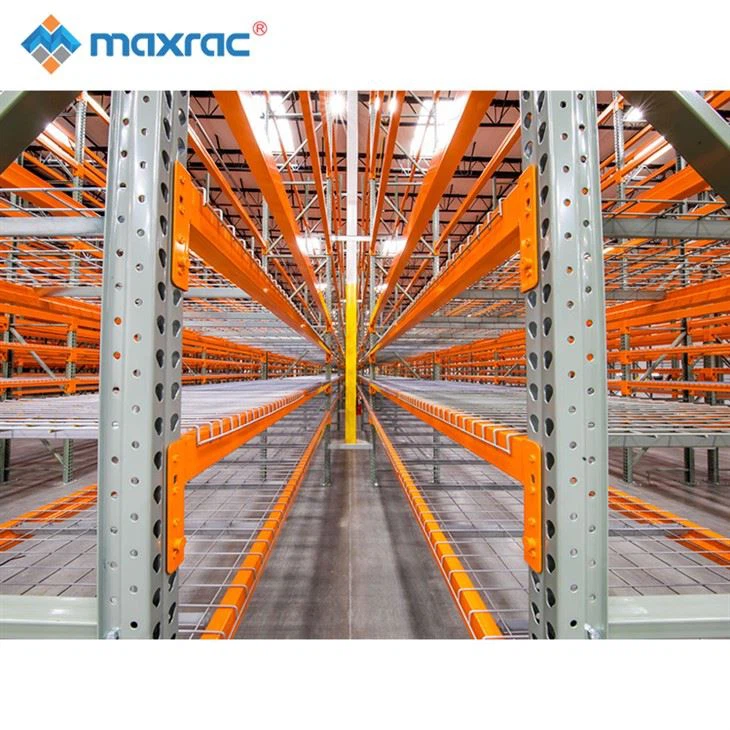
The design of the adjustable pallet rack plays a significant role. 76.2 Pitch Upright Pallet Rack and Teardrop Pallet Rack System have different structural features. Some racks may have protruding beams or uprights that require additional clearance to avoid contact. The height of the rack can also affect the clearance, as taller racks may limit the forklift's movement and require more space for vertical and horizontal maneuvers.
Load Size and Shape
The size and shape of the load being carried by the forklift are important considerations. Irregularly shaped loads or oversized pallets may require more clearance to prevent them from hitting the racks. Additionally, the weight distribution of the load can affect the forklift's stability and turning ability, which in turn impacts the required clearance.
Warehouse Layout
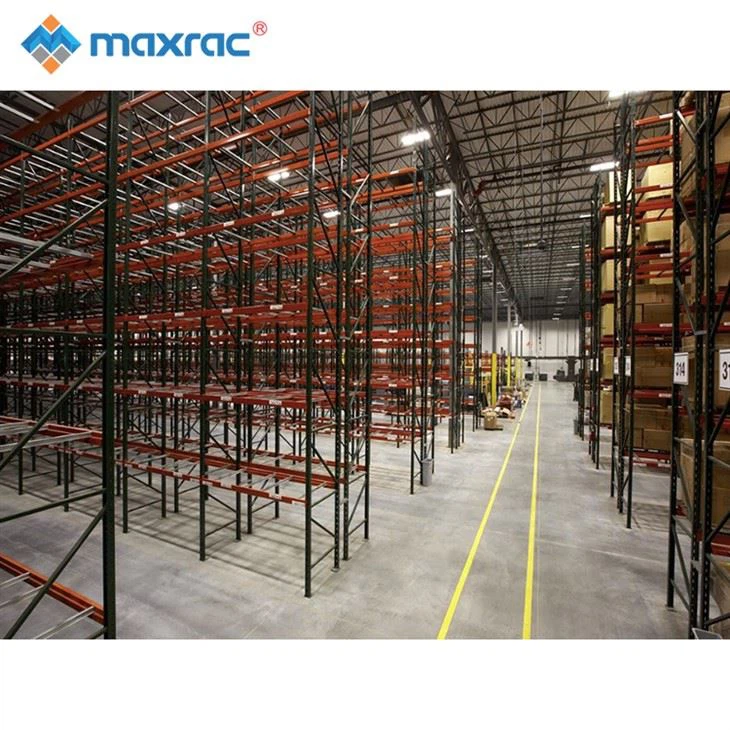
The overall layout of the warehouse, including the presence of aisles, columns, and other obstacles, can influence the clearance. Narrow aisles require more precise forklift operation and less clearance, but this also increases the risk of collisions. In a warehouse with a complex layout, more clearance may be needed to ensure safe passage.
Importance of Maintaining the Right Clearance
Safety
Safety is the most critical reason for maintaining the proper clearance. A collision between a forklift and a pallet rack can cause the rack to collapse, which poses a serious threat to the safety of warehouse workers. Falling pallets and rack components can cause injuries ranging from minor cuts and bruises to more severe, life - threatening injuries.
Equipment Protection
Proper clearance helps protect both the forklift and the adjustable pallet rack from damage. Forklift collisions can bend or break rack uprights, beams, and connectors, reducing the rack's structural integrity. This can lead to costly repairs or even the need for a complete rack replacement. On the other hand, hitting the rack can also damage the forklift, including its mast, forks, and body.
Operational Efficiency
Maintaining the right clearance allows forklift operators to move quickly and smoothly through the warehouse. When there is enough space, operators can perform their tasks more efficiently, reducing the time spent on each operation. This leads to increased productivity and lower operating costs.
Calculating the Required Clearance
There is no one - size - fits - all formula for calculating the clearance between a forklift and an adjustable pallet rack. However, a general rule of thumb is to allow at least 6 - 12 inches of clearance on each side of the forklift, depending on the factors mentioned above.
For the front and rear clearance, a minimum of 12 - 24 inches is recommended. This provides enough space for the forklift to stop safely in case of an emergency and to maneuver in and out of the rack bays.
In some cases, it may be necessary to conduct a site - specific analysis. This involves measuring the dimensions of the forklift, the pallet rack, and the loads, as well as evaluating the warehouse layout. You can also consult with a professional engineer or a forklift safety expert to determine the optimal clearance for your specific situation.
Best Practices for Maintaining Clearance
Operator Training
Proper training of forklift operators is essential. Operators should be trained to understand the importance of clearance and how to operate the forklift safely in relation to the pallet racks. Training should include practical exercises on maneuvering the forklift with different loads and in various warehouse layouts.
Warehouse Markings
Use clear markings on the warehouse floor to indicate the boundaries of the aisles and the recommended clearance. This helps operators visually identify the safe operating area and reduces the risk of collisions.
Regular Inspections
Regularly inspect the forklift and the pallet racks for signs of damage or wear. Check for any signs of bending, cracking, or loose components in the racks. On the forklift, inspect the mast, forks, and steering system. Early detection of problems can prevent accidents and ensure that the clearance requirements are still being met.
Load Management
Ensure that loads are properly stacked and secured on the pallets. This helps maintain the balance of the forklift and reduces the risk of the load shifting during operation, which could lead to collisions.
Conclusion
In conclusion, determining the clearance required between a forklift and an adjustable pallet rack is a complex process that depends on multiple factors. As a supplier of Adjustable Pallet Rack, I understand the importance of getting this right for the safety and efficiency of your warehouse operations.
If you're looking to optimize your warehouse storage system and ensure the safe operation of forklifts, I encourage you to reach out to us. Our team of experts can provide you with detailed information on the right adjustable pallet rack for your needs, as well as guidance on maintaining the proper clearance. Contact us to start a discussion about your warehouse requirements and how we can help you create a safe and efficient storage environment.
References
- OSHA (Occupational Safety and Health Administration) guidelines on forklift safety and warehouse operations.
- Industry standards and best practices for pallet rack design and installation.